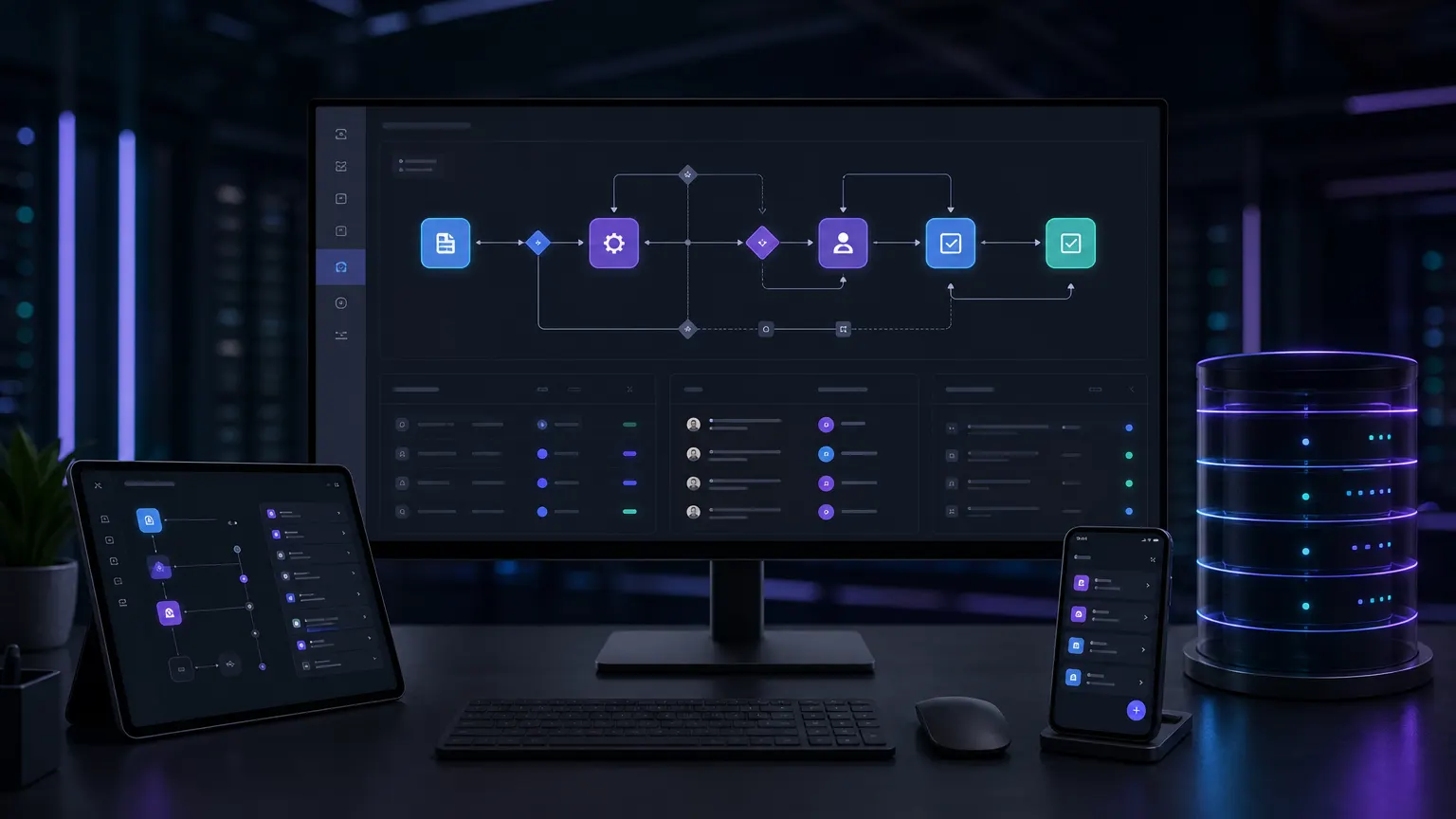

Improving an existing application can be a complex endeavor, especially when the goal is to enhance user experience without disrupting core functionality. At E Tech Code, our approach begins with a focused analysis of a specific user journey within the app. This editorial outlines a methodical process to identify a friction point, establish clear acceptance criteria, and validate the impact of changes before broader implementation.
Identifying a Specific Friction Point Within the User Journey
The first decision in improving an app is to avoid broad, unfocused overhauls. Instead, we concentrate on a well-defined user journey segment where users encounter friction. This could be a step where users hesitate, abandon a process, or express confusion. Our portfolio of web and mobile products documents such journeys through demos that highlight concrete user flows, distinguishing between early prototypes and outcomes aligned with business goals.
By narrowing the scope, we reduce complexity and increase the likelihood of measurable improvement. This targeted approach also helps manage risks associated with changes, as the impact is confined and easier to monitor. Alternatives such as redesigning the entire app or multiple journeys simultaneously were discarded due to higher resource demands and increased uncertainty.
Agreeing on Clear Acceptance Criteria Before Development
Once the friction point is identified, the next critical step is to define acceptance criteria collaboratively with stakeholders. These criteria specify what constitutes a successful change, focusing on measurable and observable outcomes within the journey. For example, criteria might include reduced time to complete a task, fewer error messages, or improved clarity in navigation.
This agreement prevents ambiguity during development and testing phases. It also aligns technical teams and business decision-makers on expectations. Without such criteria, changes risk being subjective or misaligned with business objectives. Our demos illustrate how acceptance criteria differentiate prototypes—early-stage concepts—from validated solutions that meet agreed standards.
Validating Changes Through Controlled Testing and Observation
After implementing changes targeting the friction point, validation is essential. This involves controlled testing within the app environment to observe whether the acceptance criteria are met. Validation can include usability testing, monitoring user interactions, or comparing key metrics before and after the change.
Our operational experience emphasizes the importance of distinguishing between prototype demonstrations and actual commercial results. While demos show intended user flows and improvements, validation confirms that changes function effectively in real-world conditions. This step mitigates risks of unintended consequences or overlooked issues.
Revisiting and Refining Based on Validation Outcomes
Validation may reveal partial success, unexpected challenges, or new friction points. In such cases, the process loops back to refine the solution. This iterative approach is a deliberate decision to embrace learning and continuous improvement rather than rushing to deploy untested changes.
Discarding the notion of one-time fixes, this cycle ensures that the app evolves responsively. Our portfolio reflects this philosophy by documenting multiple iterations of product demos, highlighting how refinements align prototypes closer to business-relevant outcomes.
Defining Scope Before Full-Scale Implementation
Before scaling changes across the entire app or multiple journeys, it is crucial to define a clear scope based on validated improvements. This scope is informed by the journey analysis, acceptance criteria, and validation results. It limits the extent of modifications to manageable segments, reducing operational risks and resource expenditure.
This decision contrasts with approaches that attempt broad rollouts without prior focused validation. By restricting scope initially, businesses can allocate resources efficiently and build confidence in the app’s evolving experience.
Practical Recommendations for Business Leaders
For business leaders overseeing app improvements, the key recommendation is to adopt a journey-centric, criteria-driven, and validation-focused approach. Begin by identifying a specific friction point in a user journey rather than broad app-wide issues. Collaborate with technical teams to define clear acceptance criteria that are measurable and aligned with business goals.
Ensure that changes undergo controlled validation to confirm their effectiveness before wider deployment. Embrace iterative refinement based on validation feedback to enhance the solution progressively. Finally, define a limited scope for implementation to manage risks and resources effectively.
This methodical process, supported by E Tech Code’s documented portfolio of web and mobile products and demos, provides a structured framework for improving existing applications with technical rigor and operational insight. By focusing on concrete journeys and measurable outcomes, businesses can enhance app experiences in a controlled, efficient, and impactful manner.
Explore our website, process automation and app improvement offers. Scope is agreed after reviewing your needs.